Gymnema Sylvestre, Explained: The Traditional ‘Sugar Destroyer’
Gymnema Sylvestre is a woody climbing plant used in Ayurvedic medicine for centuries, earning its nickname from a curious property: chewing its leaves temporarily blunts the ability to taste sweetness.
That taste-blocking effect is well documented; what it means for blood sugar specifically is a more nuanced, ongoing area of research.
The traditional use
Gymnema Sylvestre's Hindi name, gurmar, translates roughly to ‘sugar destroyer’, a reference to its most famous property: compounds in the leaf, called gymnemic acids, temporarily block the sweet-taste receptors on the tongue. In traditional Ayurvedic medicine, the plant has long been used specifically in the context of sugar and metabolic balance.
What modern research has explored
Beyond the taste-blocking effect, researchers have studied Gymnema Sylvestre extract for its association with blood sugar regulation, with some research suggesting effects on sugar absorption in the intestine and on pancreatic function. This research is indexed on PubMed for anyone who wants to read the primary studies.
What the evidence does and does not establish
Small clinical studies have shown promising results in some populations, but the overall body of high-quality, large-scale human research remains more limited than for chromium or other better-established interventions. The taste-blocking mechanism is well documented and easy to observe directly; the internal metabolic effects are a more actively researched, less settled area.
Dose and extract standardisation
Gymnema Sylvestre extracts vary considerably in their standardisation to gymnemic acid content, which affects potency. Research studies typically use standardised extracts at specified doses; a product listing ‘Gymnema Sylvestre leaf extract’ without standardisation or dose information provides less certainty about what you are actually getting.
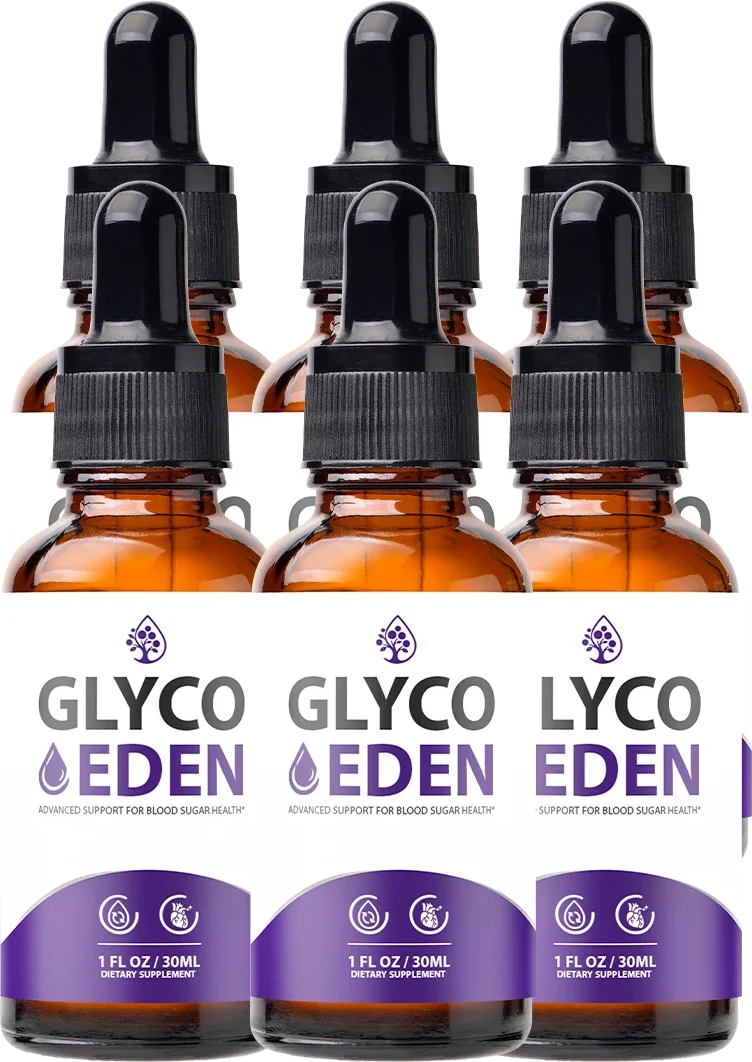
Applying this to Glyco Eden
Gymnema Sylvestre is included in Glyco Eden's proprietary blend without a stated standardisation or individual dose. It is a reasonable, traditionally significant ingredient choice for a blood-sugar formula; whether the amount included reaches a meaningful threshold cannot be confirmed from the label.