Proprietary Blends, Explained: Why The Milligrams Go Missing
A proprietary blend groups several ingredients together under one total weight, without stating how much of any single ingredient is inside.
It is extremely common across the supplement industry, not unique to any single brand — which is exactly why it is worth understanding as a buyer, regardless of which product you are looking at.
What a proprietary blend actually discloses
A label listing a proprietary blend will typically state the total combined weight of all ingredients in that blend, list the ingredients themselves (usually in descending order by amount, though this is a convention rather than a strict legal requirement everywhere), but not break down the weight of each individual ingredient.
Why manufacturers use this structure
The most commonly stated reason is formula protection — keeping the exact ratio of ingredients from being easily copied by a competitor. That argument carries more logical weight for a genuinely novel, specific combination than for a roster of well-known botanicals that already appear, in various combinations, across dozens of competing products in the same category.
A separate, less charitable possibility that applies to some products in this broad category (though we cannot confirm it applies to any specific brand) is that an undisclosed blend makes it harder for a buyer to notice when an expensive or well-researched ingredient is present in only a token amount — sometimes called fairy dusting.
What ordering position can and cannot tell you
Ingredients are conventionally listed in descending order by weight within a blend. This means the first-listed ingredient is likely present in the largest amount, and the last-listed in the smallest — useful directional information, but not a substitute for actual numbers. A blend could easily be 90% of one cheap filler-adjacent ingredient and 10% split across thirteen others, while still technically listing all fourteen.
What you can still do without the numbers
Check which ingredient is named directly, outside the blend. A brand that quantifies at least one ingredient by name — as Glyco Eden does with chromium picolinate — is disclosing more than a brand that blends everything.
Compare the blend's total weight against typical research doses. If a 14-item blend totals, say, 500mg, and published research on just one of those ingredients alone uses 300–500mg, you can reasonably infer that no single ingredient in the blend is likely reaching that range.
Ask the seller directly. A straightforward email asking for a full breakdown is a reasonable, low-effort step before committing to months of daily use.
Applying this to Glyco Eden
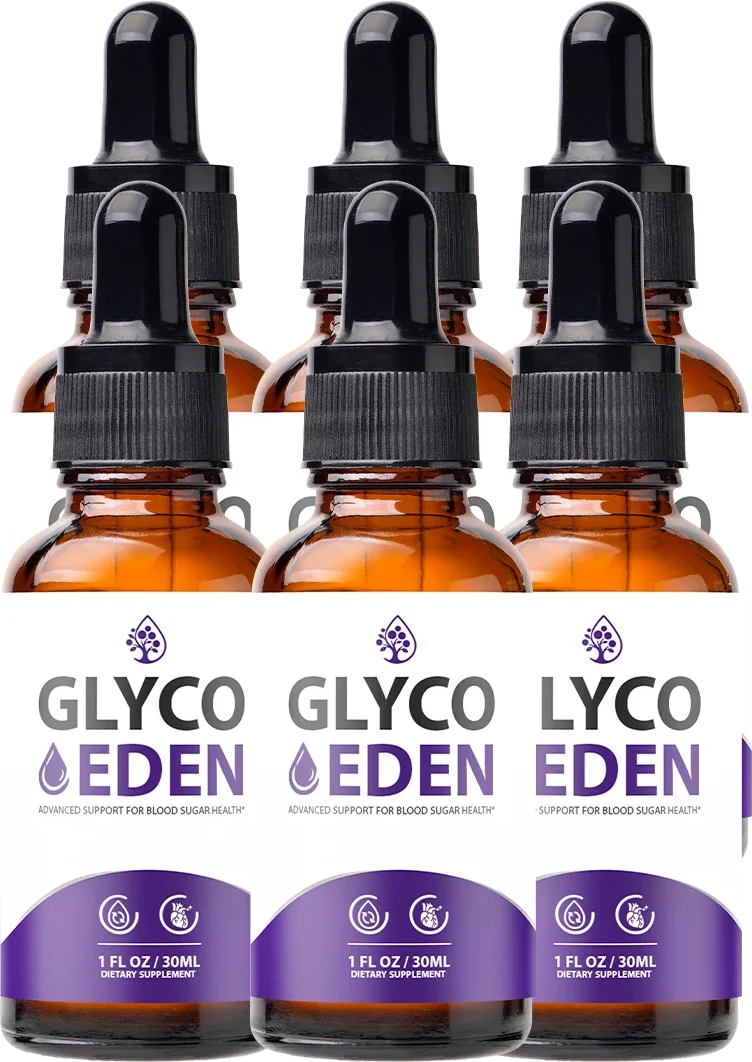
Glyco Eden names chromium picolinate directly and groups the remaining 14 botanicals into a proprietary blend without individual amounts. That structure is standard for this product category, and naming one ingredient directly is a modest step toward transparency — though it does not resolve the underlying uncertainty about the other fourteen. See our full 90-day assessment for how this weighs against the formula's genuine strengths.