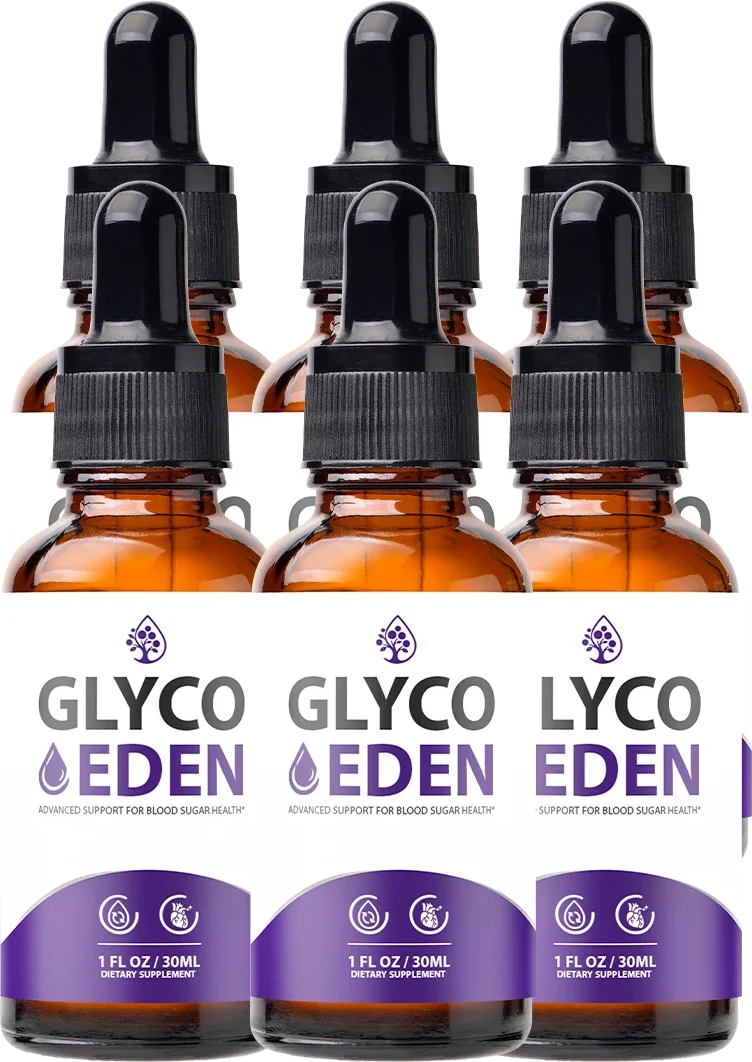
Chromium And Glucose Metabolism: What The Research Actually Shows
Chromium is an essential trace mineral with a genuine, decades-old research history connecting it to normal carbohydrate and glucose metabolism.
It is the one ingredient Glyco Eden names directly rather than folding into its proprietary blend — a reasonable place to start understanding the formula.
Why chromium is relevant to blood sugar
Chromium plays a role in how the body's cells respond to insulin, the hormone responsible for moving glucose out of the bloodstream and into cells for energy. Chromium deficiency, though uncommon in people eating a varied diet, has been associated with impaired glucose tolerance in research settings.
The NIH Office of Dietary Supplements summarises the evidence base directly, and it is worth reading the primary source rather than relying on any single product's summary of it.
What form matters
Chromium picolinate, the form used in Glyco Eden, is one of the more bioavailable and well-studied forms of supplemental chromium, generally absorbed more efficiently than some other chromium compounds.
What the research supports, in plain terms
Clinical trials on chromium supplementation for blood sugar have produced mixed results overall. Some studies, particularly in people with lower baseline chromium status or type 2 diabetes, have shown modest improvements in glucose handling. Other studies in people with adequate chromium status have shown little to no additional benefit. This is a genuinely more nuanced picture than marketing materials for chromium-containing products typically convey.
The dose question
Clinical trials on chromium picolinate for glucose-related outcomes have generally used doses ranging from 200 to 1,000 micrograms daily. Glyco Eden's label does not disclose the specific microgram amount of chromium picolinade in a daily dose, which means there is no way to confirm whether the formula approaches the range used in research or falls well short of it.
Applying this to Glyco Eden
Chromium is arguably the most defensible single ingredient choice in Glyco Eden's fifteen-item list, on the strength of its research history and the specificity of naming it directly. The unresolved question — as with the rest of the formula — is dose. See our piece on proprietary blends for how to think about that gap.